Christmas Window Art: Junk Journal Pages Embroidery Review
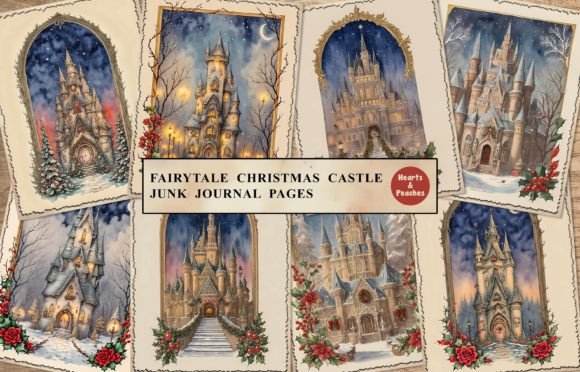
When I first opened the file for Christmas Window Art, Junk Journal Pages, my initial reaction wasn't about stitch counts or hoop sizes. It was about the atmosphere. There is a specific, cozy nostalgia that this design captures immediately. As an experienced designer who reviews embroidery files for both personal use and commercial clients, I look for more than just technical accuracy; I need to know if a design has a soul. This piece feels like a quiet moment in a snowy village, perfect for bringing warmth into a handmade project.
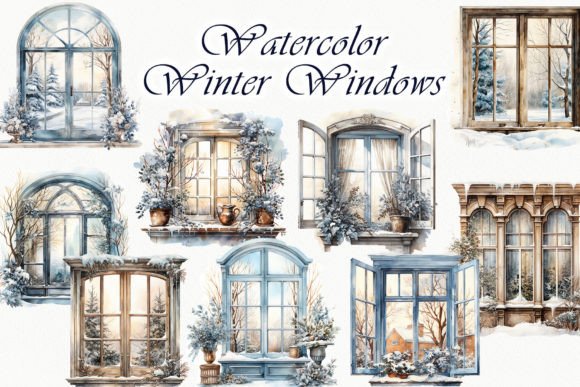
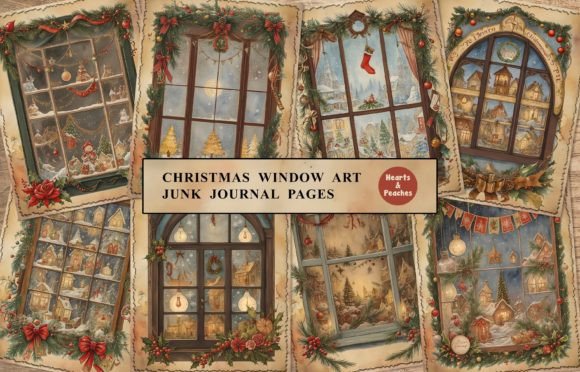
The visual personality of this Illustrations category piece is distinct. It moves away from generic snowflakes or reindeer and leans into the charm of vintage aesthetics. The layout suggests a window pane effect, likely filled with intricate details that mimic the look of old paper or journal entries. For an embroidery designer, this is a goldmine because it offers texture without being overwhelming. It creates a mood that customers can feel even before they touch the fabric.
From Digital File to Real-World Application
I recently tested this design with a practical scenario in mind: creating a line of holiday-themed tote bags for a local boutique. The goal was to produce something that felt artisanal and story-driven, rather than mass-produced. When I pulled up the embroidery file on my screen, the composition of Christmas Window Art, Junk Journal Pages seemed ideal for a large tote bag panel.
The design naturally lends itself to storytelling. Imagine stitching this onto a canvas tote. The "window" aspect could frame a small pocket, or perhaps the entire front of the bag becomes a scene. When I ran the simulation, the balance between open spaces and dense areas looked promising. It wouldn't require excessive stabilizer, which often adds unwanted bulk to soft fabrics. The result would be a finished product that looks like a curated scrapbook page brought to life, perfect for a craft fair display or an Etsy listing.
This approach works exceptionally well for custom apparel as well. A sweatshirt embroidered with this motif transforms a basic garment into a statement piece. The "Junk Journal" theme implies layers and history, which resonates deeply with buyers looking for unique, personalized gifts. It elevates the perceived value of the item, making a simple $15 t-shirt feel like a $40 boutique find. For small business owners, this kind of design differentiation is crucial for standing out in a saturated market.
Where This Design Shines Best
Not every embroidery project is a good fit for every design. After analyzing the structure of Christmas Window Art, Junk Journal Pages, I believe it excels in specific categories where its detailed nature can truly be appreciated.
- Holiday Gifts and Home Decor: This design is tailor-made for pillow covers, kitchen towels, and blankets. The cozy, festive vibe aligns perfectly with winter home accents. A pillow featuring this art would serve as a focal point in a living room, adding a touch of elegance without being tacky.
- Baby Items and Nursery Decor: The gentle, vintage aesthetic makes it suitable for baby clothes and nursery wall hangings. Parents often seek items that feel timeless and safe, and the "window" motif suggests a view into a magical world, which is a wonderful concept for a child's room.
- Commercial Embroidery Projects: For shops selling digital products or printable mockups, this image provides high-quality assets. You can create realistic previews of how the design looks on various backgrounds, helping potential buyers visualize their own projects before purchasing the digital embroidery file.
- Embroidered Patches: If the design includes clean borders, it could be converted into a high-quality patch. These are popular accessories for denim jackets, caps, and backpacks, allowing makers to add a custom touch to existing garments.
Practical Considerations and Potential Pitfalls
While the artistic vision is strong, a professional review must address the technical realities of stitching. Christmas Window Art, Junk Journal Pages contains intricate details that require careful handling. One of the most critical factors is the choice of fabric. Textured fabrics, such as heavy wool or chunky knits, might obscure the finer lines of the design. Similarly, stretchy fabrics like jersey can cause distortion if not stabilized correctly, potentially warping the "window" panes.
For those working with dark fabrics, thread color contrast becomes a major concern. Lighter threads used for the "snow" or "paper" elements might get lost against a deep navy or black background unless you use a high-density underlay or a specific thread type designed for visibility. I always advise testing on scrap fabric first to ensure the colors pop as intended. Additionally, small details within the journal pages might be difficult to resolve in smaller hoop sizes. If you attempt to stitch this on a cap or a tight cuff, the resolution may suffer, leading to a muddy appearance rather than crisp lines.
Dense stitch areas are another factor to watch. If the design features heavy fill stitches, it can become stiff and uncomfortable, especially on baby clothing or lightweight shirts. In these cases, adjusting the stitch density or using a lighter weight stabilizer can make a significant difference in the final hand-feel of the garment. For products that need frequent washing, like aprons or tea towels, ensure that the design is secure enough to withstand agitation without fraying or losing definition.
Designer Notes for Success
To get the most out of this design, there are several steps every maker should take before starting production. First, always inspect the small details. Zoom in on the file to see if any tiny letters or decorative accents are too fine for your machine's capabilities. If you plan to sell finished items commercially, confirm the licensing terms associated with the file to avoid legal issues later.
Testing in black and white mockups is a pro tip that many overlook. Sometimes, a design looks vibrant in color but lacks necessary contrast when converted to grayscale. This step helps you determine if the design will hold up on different fabric tones. Furthermore, compare light and dark fabric backgrounds to see how the design adapts. Using proper stabilizer is non-negotiable; for a design with varying densities, a cut-away stabilizer often provides the best support for maintaining shape over time.
Finally, consider the end-user experience. Will the customer appreciate the detail? Does the design enhance the functionality of the product, or does it just look pretty? With Christmas Window Art, Junk Journal Pages, the answer is a resounding yes. It bridges the gap between digital art and tactile craft, offering a versatile asset for anyone looking to elevate their handmade product line.
In conclusion, this design is more than just a collection of pixels; it is a tool for creative expression. Whether you are an Etsy seller looking to expand your holiday inventory, a hobbyist wanting to make a special gift, or a brand owner building a cohesive identity, this piece offers a unique opportunity to connect with your audience through the power of embroidery. Just remember to test, stabilize, and trust your instincts when bringing this festive vision to life.